Best Natural Tinder Materials for Damp Autumn Woodlands
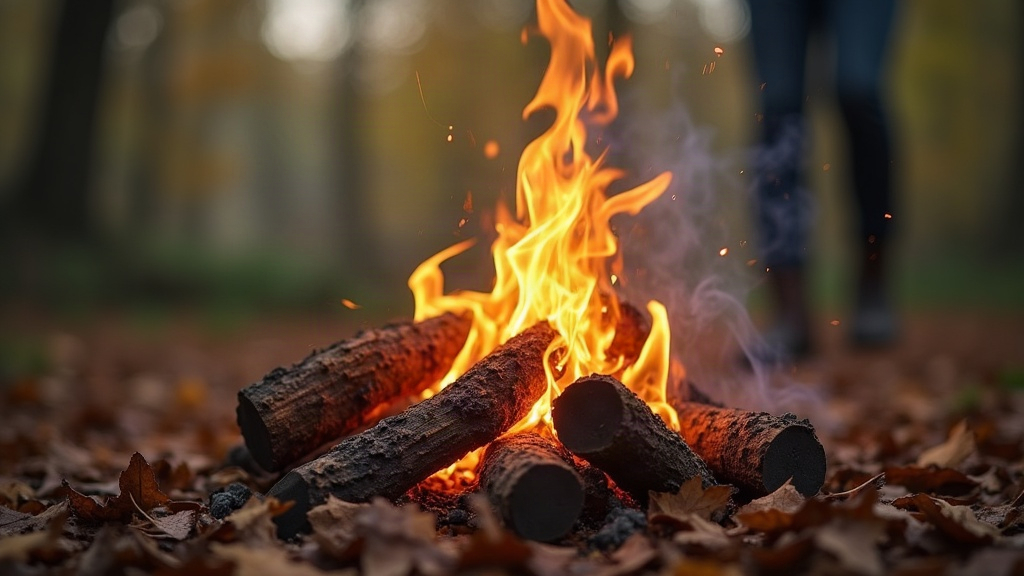
Finding Good Tinder in Wet Autumn Woods
The trick to finding decent tinder in a soggy autumn forest isn’t hunting for something that looks bone-dry. It’s knowing where the dry stuff actually hides. Check under bark, inside standing dead trees, beneath evergreen cover, and in those little sheltered pockets that sit above the sodden forest floor. Prep it right, and plenty of ordinary materials you’d pack for cold, damp weather will still take a spark even after a full day of rain.
Why Autumn Tinder Is So Hard to Find
Autumn woods hold water everywhere: in the leaf litter, in moss, in soil, in every fallen branch you step over. A stick can look perfectly dry on the surface and still hold enough moisture to smoke and sulk rather than catch.
The good stuff is almost always off the ground. Look for material tucked under bark, dangling from dead branches, or shielded by thick foliage. Skip the freshly fallen leaves, green plants, and wet moss. They’re handy for other camp chores, sure, but as fire starters they’re basically useless.
Before you start gathering, mind the local rules. Take only small amounts of naturally shed material, and only where foraging is actually allowed. Never strip bark off a living tree or tear up habitat just to get a fire going.
1. Inner Bark From Dead Standing Wood
Dry, fibrous inner bark from dead standing trees is about as reliable as wet-woods tinder gets. It really shines when the outer bark has gone damp but the layers tucked underneath stayed bone dry.
Look for:
- Dead, standing conifers with bark that’s starting to peel
- Fallen dead branches that are still hanging clear of the ground
- Dry bark wedged into branch forks
- Bark that’s naturally flaked off on the sheltered side of a trunk
Peel away the wet outer layer, then scrape the inner wood into fine shavings. Rub those fibers between your palms until they go fluffy, almost thread-like. A tight, dense strip of bark won’t light easily. A loose, airy bundle will.
A practical preparation method
- Build a small nest from your driest bark fibers.
- Add pencil-thin shavings from that same protected patch of wood.
- Keep a few thicker dry splinters within reach.
- Block the wind before you strike anything.
With a ferro rod, aim the sparks straight into the finest fibers. With a lighter or match, hold the flame under the base of the nest so heat climbs up through it naturally.
2. Birch Bark (Especially Pieces Already on the Ground)
Birch bark earns its reputation because the natural oils in it will burn even when the surface feels a bit damp. On a wet autumn day, it’s often one of the best cards you can play, as long as you gather it responsibly.
Only pick up bark that’s already fallen or hanging loose off dead wood. Don’t cut into a living birch. Stripping it can seriously injure, even kill, the tree.
For better ignition, tear the bark into small curls and run a knife edge across the surface to raise fine, fuzzy shavings. Those little fragments catch far quicker than a flat sheet ever will.
Think of birch bark as a flame extender, not your whole tinder plan. Pair it with a bark-fiber nest, sheltered dry grass, or feather sticks. Once it’s burning, feed in tiny twigs before you ever reach for the bigger fuel.
3. Dry Grass and Seed Heads Under Cover
Open grass is usually soaked through in autumn, but grass growing under cover can surprise you. Check under:
- Overhanging rock ledges
- Thick evergreen branches
- The underside of a fallen log
- Raised root systems
- Sheltered field edges or clearing margins
The dry seed heads at the top of a grass clump beat the green stems at the bottom every time. Pull the clump apart and use only the driest fibers from its center.
Grass tinder wants volume and airflow. Squash it into a tight ball and it just won’t catch. Instead, build a loose bird’s nest with a hollow middle where the spark or flame can sit.
Grass burns fast, so have the next stage ready before you light it:
- Matchstick-thin twigs
- Feather sticks
- Resin-rich wood shavings
- Small dry bark fragments
4. Resin-Rich Conifer Wood
Resin-soaked wood, the stuff often called fatwood, might be the single most effective wet-weather fire material out there. It comes from pine, spruce, fir, and other resinous conifers. The resin burns hot enough to dry out damp kindling while it’s still going.
Look for dense, orange-yellow wood in:
- Old pine stumps
- Broken branch bases close to the trunk
- Dead lower limbs on conifers
- Rootwood from trees that fell or died naturally
A good chunk usually smells strongly of pine and feels noticeably heavier than regular dry wood. Shave it into thin curls, then pile up the fine scrapings. Those scrapings light far more easily than a solid chunk ever would.
Use it sparingly, though. A piece the size of your thumb can give you enough shavings for several attempts, which matters a lot when everything else around you is wet.
5. Punky Wood From Inside Dead Timber
Punky wood, the soft, decayed kind that takes a spark once it’s really dry, depends entirely on where you find it in wet autumn conditions. The surface of a soaked log is usually a lost cause, but the dry core inside an elevated dead branch can still work.
Crack open a dead standing branch or one that’s suspended clear of the ground. If the center looks pale, feels dry, crumbles easily, and is light in the hand, crush it fine and it may well catch a spark.
Punky wood pairs best with a ferro rod or a traditional ember-based method. It tends to smolder rather than flame up right away, so tuck it inside a larger tinder bundle and give it a gentle breath once you spot a glowing ember.
Don’t mix it up with wet, dark, rotten wood. If it feels cool, muddy, or heavy in your hand, leave it where it is.
6. Feather Sticks: The Reliable Backup Skill
When natural fibers just aren’t around, feather sticks can turn a dry section of wood into usable tinder on their own. Find a dead branch, elevated off the ground, and cut into its dry interior. Use a sharp knife to peel thin curled shavings that stay attached to the stick.
The whole point is exposing dry wood underneath that damp outer shell. Make several sticks rather than betting everything on one perfect one.
A solid damp-weather setup looks something like:
- Fine wood curls for ignition
- A handful of feather sticks as your first fuel
- Pencil-thin dry twigs split off larger branches
- Thumb-thick kindling split open to reveal a dry center
Splitting wood usually beats searching endlessly for dry twigs on the ground. Even a soaked branch often hides dry wood right at its core.
Build a Fire in Stages
Great tinder alone won’t save you in wet weather. Get every stage ready before you strike a single spark.
Start with a raised base, small sticks or split wood, to keep your tinder off the wet ground. Set the tinder nest on top, surround it with fine kindling, and keep the bigger pieces close by. Add fuel gradually. Smother that first flame too early and you’re starting from scratch.
Conclusion
The best tinder in a damp autumn woodland is almost never lying on the forest floor. It’s protected, resinous, or tucked inside deadwood instead. Dry inner bark, naturally shed birch bark, sheltered grass, resin-rich conifer wood, punky wood, and feather sticks all give you a real shot. Gather with care, work everything down into fine airy fibers, and build the fire one careful stage at a time.