Spring Creek Campsites: Preventing Flash-Flood Damage to Gear
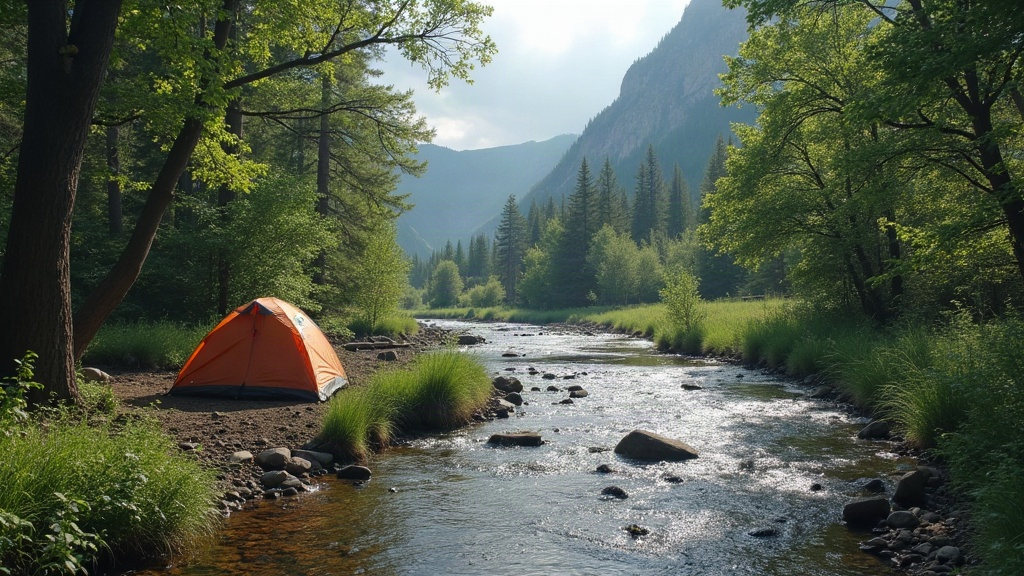
Why Creekside Campsites Are Riskier Than They Look
You don’t need a drop of rain where you’re standing for a flash flood to ruin your night. A storm cell parked 10 to 20 miles upstream can push a wall of water down a narrow canyon or creek bed with almost no warning, sometimes raising levels by several feet in under 15 minutes. That’s faster than most people can break camp.
Spring-fed creeks are particularly good at lulling you into a false sense of security:
- In dry weather, the current often looks lazy, shallow, barely worth a glance.
- Narrow canyon walls act like a funnel, speeding up the water and concentrating its force downstream.
- Debris (branches, mud, loose rock) rides the surge, and that’s what actually does the damage on impact.
- Floods that hit at night are the worst case scenario. You can’t see them coming, and the roar of rushing water is easy to miss over wind or a snoring tentmate.
Reading the Terrain Before You Pitch a Tent
Before you even think about unpacking, walk the site first. Here’s what to look for.
1. High-Water Marks
Scan for debris lines, matted-down grass, or discolored rock and bark. These are nature’s own flood gauges. Spot a line sitting three feet above the current water level? Treat that as your minimum risk zone, not a worst-case scenario.
2. Elevation Above the Creek Bed
Good rule of thumb: get 10 to 15 vertical feet above the water line, minimum. And resist the temptation of that flat, inviting gravel bar or dry wash. It looks perfect for a tent precisely because water flattened it out not long ago.
3. Canyon Width and Upstream Watershed
Narrow, steep-walled stretches move water fast, no surprise there. If you’re pitching in a canyon, pull up a topo map or an app like Gaia GPS or CalTopo and check the size of the drainage area feeding that creek. A bigger watershed upstream means a bigger slug of water can show up with little notice.
4. Weather Upstream, Not Just Overhead
Your GPS coordinates tell you nothing about what’s brewing 15 miles away. Check the forecast for the whole watershed. Most land agencies and NOAA issue flash-flood watches by drainage basin, not by pinpoint location, so look up the right one.
Smart Campsite Placement Checklist
- Pick bench terraces over creek-adjacent flats, every time.
- Skip sandbars, gravel bars, or any ground that’s obviously been shaped by recent flow.
- Scout two separate routes to higher ground before it gets dark.
- Pitch your tent door toward your exit path, not toward the creek view (tempting as that is).
- Don’t sleep in a slot canyon or narrow wash overnight. Not even if the forecast looks clean.
Protecting Overnight Gear From Sudden Water Rise
Pick a smart site and you’ve done most of the work. But good gear habits buy you an extra margin when things go sideways.
Elevate Everything
- Pack electronics, boots, and backpacks into dry bags and set them on rocks or logs above your sleeping area. Never leave them on open ground near the creek, even “just for the night.”
- If there are trees around, hang your food and valuables. It covers you for flood risk and keeps critters out of your snacks at the same time.
Waterproof Your Essentials
- Roll-top dry bags, not the thin stuff sacks, for sleeping bags, clothing, electronics. The difference matters when water actually shows up.
- Keep your phone, headlamp, and fire-starting kit in a small waterproof pouch clipped to your body overnight, not stashed in the tent where you’d have to fumble for it in the dark.
Stake Smart, Not Just Secure
- Sandy soil near the creek saturates and gives way fast once water rises. Don’t stake there.
- Use rocks or deadman anchors on firmer ground, above the flood line, where the stakes will actually hold.
Keep a “Grab Bag” Ready
Every night, pack a small bag with:
- Headlamp
- Whistle
- Phone
- Car or cabin keys
- Basic first aid
If you have to move fast in pitch dark, this bag comes with you first. Everything else can be replaced. Time can’t.
What To Do If Water Starts Rising
- Get to higher ground immediately. Don’t stop to pack. Seconds count here.
- Never cross moving water, even water that looks ankle-deep. Six inches of fast current is enough to sweep an adult off their feet.
- Let the gear go if you have to. A tent costs maybe $300. You don’t have a replacement cost.
- Head to the high point you scouted earlier and sit tight until daylight or help arrives.
Final Thoughts
Spring Creek can look postcard-calm one hour and unrecognizable the next, especially during storm season. The real mistake most campers make isn’t ignorance, it’s trusting what the water looks like right now instead of asking what’s happening upstream. Pick elevated ground clear of old flood scars, keep your gear dry and within arm’s reach, and always know your way out before you zip up the tent for the night. When you’re not sure, camp higher. The view loses nothing, and you’ll sleep (and wake up) a whole lot safer for it.