Keeping a Sleeping Bag Dry When Entering a Tent in Heavy Morning Dew
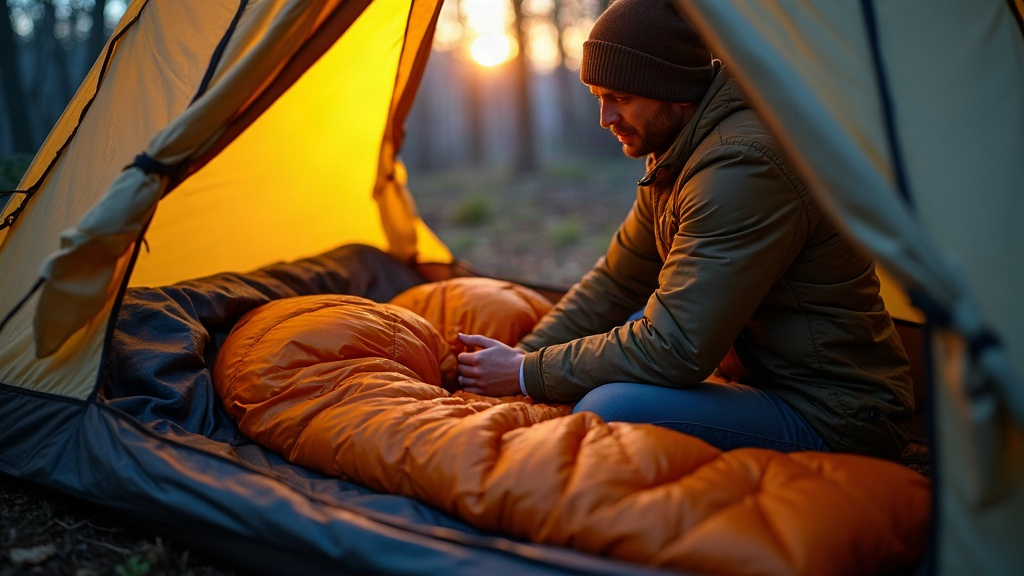
Why Morning Dew Is a Bigger Threat Than Rain
Most campers pack for rain. Almost nobody packs for dew, and that’s the problem. Dew builds up quietly overnight as the temperature drops and moisture settles on anything exposed: your rainfly, your boots, the stuff sack you left by the door. Rain at least makes noise on the tent walls, warning you something’s going on. Dew just sits there, soaking into fabric while you sleep, and you won’t know it happened until you reach for your bag at 6 a.m. and feel that cold, clammy dampness on the outside.
Common Mistakes That Let Dew In
- Leaving the vestibule unzipped overnight
- Setting boots or gear bags right against the tent wall
- Packing the sleeping bag into a stuff sack that’s still wet from the night before
- Brushing through dew-soaked grass right before ducking inside
Step-by-Step: Keeping Your Sleeping Bag Dry
1. Create a Dry Entry Zone
Before you even touch the zipper, wipe down your boots, jacket, and hands. A cheap microfiber towel stashed just inside the vestibule does the job. A lot of longtime backpackers keep one towel that’s used for exactly this and nothing else. It never gets near the sleeping bag.
2. Use a Vestibule as a Buffer
Think of the vestibule as more than a gear shelf. It’s a buffer zone. Change out of your dew-damp jacket and pants there, not once you’ve already crawled into the sleeping area. That one habit alone stops most of the moisture transfer before it starts.
3. Store the Sleeping Bag Properly During the Day
Don’t leave your bag loose by the door or pressed against the tent wall. That’s exactly where condensation forms first. Instead:
- Stuff it into a dry sack or compression sack with a waterproof liner
- Keep it centered on the sleeping pad, well clear of the walls
- Roll it up each morning instead of leaving it sprawled out
4. Choose the Right Sleeping Bag Shell Fabric
If you camp a lot in humid or dew-heavy areas (think coastal trails, river valleys, early fall mornings), it’s worth spending a bit more on a bag with a DWR-treated or water-resistant shell. A good DWR coating will bead up light moisture from an accidental brush against a damp tent wall, giving you minutes, sometimes longer, before any of it soaks through to the insulation.
5. Manage Tent Condensation Actively
Here’s the part people forget: dew isn’t always coming from outside. Bad airflow inside the tent creates its own condensation, and that can drip straight onto your bag from the ceiling.
- Crack the rainfly vents a little, even when it’s cold out
- Don’t aim your breath toward the tent’s dead-air corners while sleeping
- Pick a campsite away from low spots like meadows or anywhere near standing water, since those areas trap moisture overnight
6. Pack a Dry Liner or Bivy
A water-resistant sleeping bag liner is cheap insurance. If dew does make it onto the tent floor or your pad, the liner keeps it from reaching the insulation directly. This matters a lot more for down bags than synthetic ones. Down loses loft fast once it’s wet, and a soggy down bag at 3 a.m. is a genuinely miserable experience.
What To Do If Your Bag Gets Damp Anyway
- Air it out right away. Drape it over a branch, a rock, or a gear line in the sun the moment you’re up. Fifteen minutes of morning sun does more than an hour of shade later.
- Blot, don’t rub. Use a camp towel to press moisture out of damp spots instead of scrubbing them.
- Don’t stuff a wet bag into its sack. That just traps the moisture inside and sets you up for mildew in a day or two.
- Shake it out after drying to redistribute the fill, especially with down, so it doesn’t dry in clumps.
Gear Checklist for Dew-Proofing Your Sleep System
- Waterproof or DWR-treated sleeping bag or liner
- Compression dry sack
- Groundsheet or footprint under the tent
- Microfiber towel for wipe-downs
- Tent with full-coverage rainfly and decent ventilation
Final Thoughts
It really comes down to habit. Wipe down before you climb in, use the vestibule the way it’s meant to be used, keep the bag away from the walls, and buy gear that’s built to shed moisture rather than soak it up. Do these few things consistently and dew turns into a non-issue, just a bit of mist on the grass in the morning, instead of a cold, damp bag ruining your night.