How to Cook Lentils on a Small Alcohol Stove at High Elevation
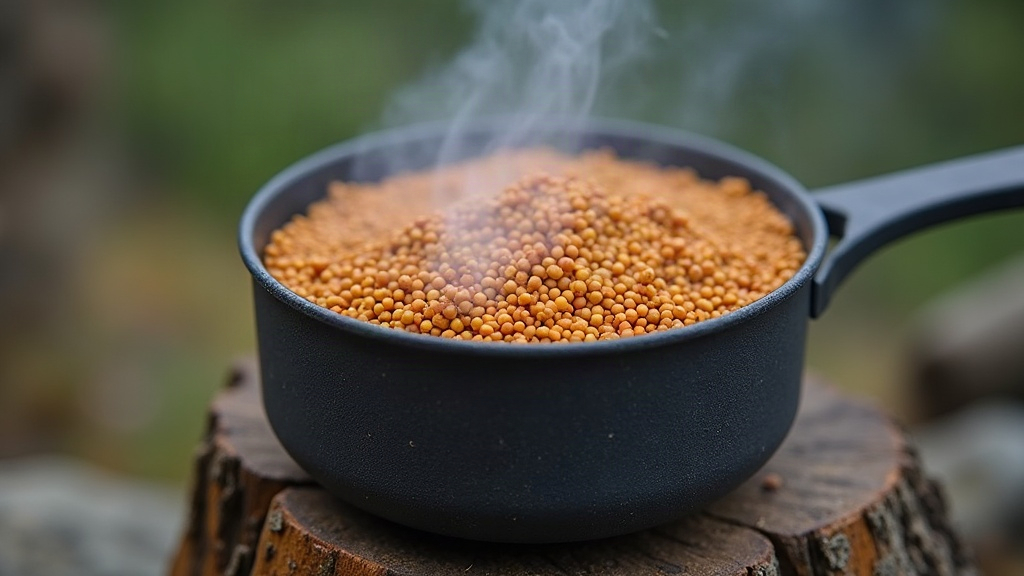
Cooking lentils on a small alcohol stove at altitude isn’t some impossible feat of backcountry wizardry. You just have to respect three things: lower boiling points, a tiny fuel supply, and wind that won’t leave your flame alone. Get the prep right (soak ahead, pick the right lentil, block the wind) and you can turn out a fully tender, hot lentil dinner on surprisingly little fuel, even camped above 8,000 feet.
Why High Elevation Changes Everything
Water boils at a lower temperature the higher you climb, about 2°F less for every 1,000 feet of elevation gain. At 10,000 feet, water tops out around 194°F instead of the usual 212°F. For lentils, that matters a lot. They need sustained heat to break down their starches and go soft, and a cooler boil means a longer simmer. A longer simmer means more fuel burned, and when your stove holds maybe three or four ounces per fill, that’s not a minor inconvenience.
Choose the Right Lentil for Speed
Not all lentils are created equal in the time department. When fuel is tight, which lentil you pack matters almost as much as how you cook it.
- Red or yellow split lentils: These cook fast, 10-15 minutes at sea level, because they’re hulled and already split in half. For alcohol stoves at altitude, this is your best bet by a wide margin.
- Green or brown lentils: Expect 20-30 minutes at sea level, and nearly double that above 9,000 feet. Skip these unless you’ve soaked them first.
- French (Le Puy) lentils: They hold their shape beautifully in a salad, but they’re the slowest of the bunch. Not a smart pick when you’re counting ounces of fuel.
If you’re cooking on an alcohol stove at elevation, red lentils win, no contest.
Pre-Soak to Cut Cook Time Dramatically
Even a short soak, 30 to 60 minutes in cold stream or filtered water while you pitch your tent, can shave 30-40% off the simmer time. On a multi-day trip, soak your lentils overnight in a leakproof bag or soft bottle stashed in your pack. It sounds like a small thing, but this one step often saves more fuel than any stove tweak you could try.
Maximize Your Alcohol Stove’s Efficiency
Alcohol stoves are light to carry but not exactly efficient compared to canister or liquid-fuel setups. Up high, where heat is already harder to come by, every degree you manage to hold onto counts.
Use a Tight-Fitting Windscreen
Wind robs more heat than anything else at altitude, and mountain breezes tend to run colder and gustier than what you’d feel at sea level. Wrap a foil windscreen snug around the pot, leaving just enough gap for the flame to breathe, and you can cut cook time by up to 20%. That’s the difference between finishing your meal and running the tank dry.
Cook With a Lid, Always
Leave the pot uncovered in thin mountain air and you’re basically pouring heat straight into the sky through evaporation. A tight-fitting lid traps the steam, keeps the heat where it belongs, and lets a weak flame keep the simmer going anyway.
Use the “Boil, Then Insulate” Method
Instead of babysitting the flame for the whole cook:
- Bring your soaked lentils to a rolling boil for 3-5 minutes.
- Pull the pot off the heat and wrap it in a jacket, a sleeping bag liner, or a dedicated cozy (a reflective bubble-wrap cozy does the job nicely).
- Let it sit, undisturbed, for 25-40 minutes. The residual heat finishes the cooking without burning another drop of fuel.
This is basically thermal cooking borrowed from the backpacking world, and for alcohol stove users running on fumes, it’s a genuine game-changer.
Pre-Measure Your Fuel
Alcohol burns at a fairly consistent clip, roughly one ounce per 8-10 minutes of active simmer. At altitude, budget 20-30% more fuel per meal than you would at sea level, especially if you’re skipping the boil-and-insulate trick.
Step-by-Step: Efficient High-Elevation Lentil Cooking
- Soak ½ cup red lentils for 30-60 minutes in cold water.
- Drain, then add to the pot with a 1.5x water ratio (lentils don’t swell as much as rice, but they still need room to expand).
- Light the stove, cover the pot, set up your windscreen, and bring it to a full boil.
- Boil actively for 4-5 minutes, no more.
- Pull off the flame, keep the lid on, and wrap the pot in insulation.
- Let it rest for 30 minutes.
- Check the texture. Still a bit firm? Put it back on a low flame for 2-3 minutes.
- Season, serve, eat.
Common Mistakes to Avoid
- Skipping the windscreen. Even a mild breeze can double how much fuel you burn.
- Cooking whole brown lentils without soaking. You’ll run dry before they’re anywhere near tender.
- Lifting the lid to peek. Every glance lets heat escape that you’ll never get back.
- Underestimating fuel needs. Pack 15-20% more alcohol than your sea-level math tells you.
Final Thoughts
Cooking lentils at altitude on a small alcohol stove isn’t a brute-force job. It’s about using the heat you’ve got wisely instead of wishing for more. Pick fast-cooking red lentils, soak them when you can, block the wind, and let the boil-then-insulate trick stretch your fuel as far as it’ll go. Do that, and a hot, genuinely satisfying bowl of lentils is well within reach, even deep in the backcountry.