Folding Saw Tooth Patterns: Greenwood vs Seasoned Wood
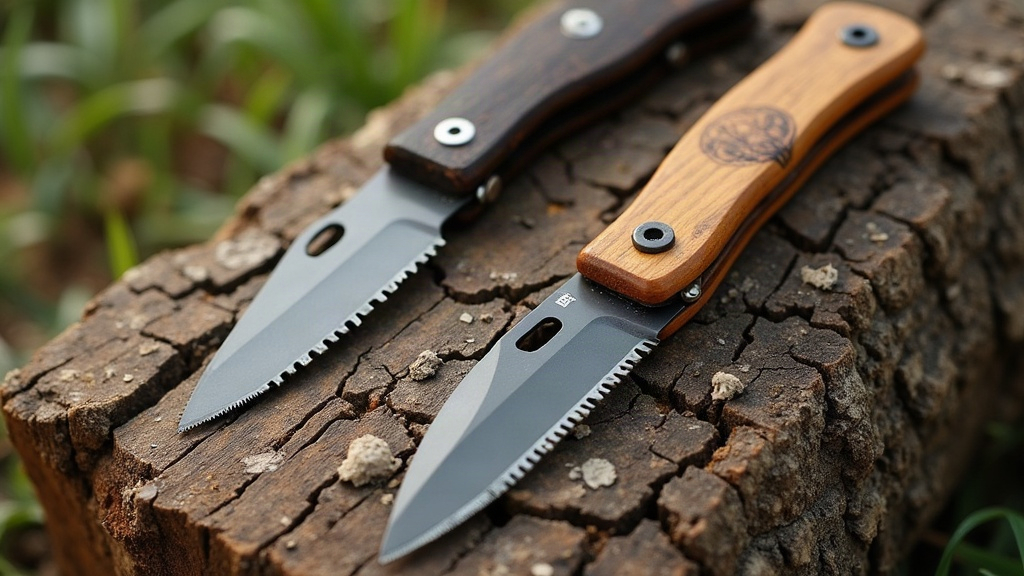
Choosing the right folding saw tooth pattern matters more than most people assume, mostly because green wood and seasoned wood behave like two different materials under the blade. Greenwood is soft, fibrous, loaded with moisture. It needs wide-set, aggressive teeth that throw chips out fast and don’t gum up halfway through a stroke. Seasoned wood is the opposite: hard, dry, a little brittle. It wants finer, closer teeth that leave a clean kerf instead of tearing the grain apart. Pick the wrong pattern and you’ll feel it immediately, slow cuts, a blade that binds, or an edge that looks like it was gnawed rather than sawed.
Why Tooth Pattern Matters So Much
Three things decide how fast and how cleanly a folding saw cuts: tooth pitch (teeth per inch, TPI), tooth geometry (shape and rake angle), and set (how far the teeth splay outward). The wood you’re feeding it changes which combination actually works.
- Greenwood carries a lot of moisture and long, stringy fibers. Under the blade it tends to compress rather than snap.
- Seasoned wood is dry and stiffer, more prone to shearing cleanly. It doesn’t gum up the blade much, so chip clearance stops being the priority, sharpness and tooth count take over.
Best Tooth Patterns for Greenwood
Greenwood calls for a saw that can clear big chips in a hurry, before the wet fibers pack into the gullets and stall your arm.
1. Large, Widely-Spaced Teeth (Low TPI)
Aim for 5-7 TPI or coarser. Big gaps between teeth give wet sawdust somewhere to escape instead of jamming the blade mid-stroke.
2. Aggressive Rip-Style Teeth
Rip geometry (teeth angled to shear along the grain, almost like a chisel) works well on greenwood because you’re essentially cutting through soft, low-resistance fibers in one direction, the same logic as ripping a plank down its length.
3. Wide Tooth Set
More outward bend per tooth means a wider kerf, and a wider kerf means less binding, which matters a lot since wet wood likes to pinch the blade mid-cut. Saws such as the Silky GomBoy (large-tooth version) or a standard Bahco Laplander chew through green saplings and branches without much drama.
Best Tooth Patterns for Seasoned Wood
Dry, hardened wood wants the opposite setup: finer teeth, more of them.
1. Fine, Closely-Spaced Teeth (High TPI)
Patterns of 8-10+ TPI give cleaner results on dry wood, since there’s no compression or clogging to fight. The wood just shears off in small, dry flakes.
2. Crosscut Tooth Geometry
Crosscut teeth (alternating bevels that score the fibers from both sides before lifting the material away) suit seasoned wood because they cut down on splintering in brittle, dry grain. It’s part of why Japanese-style pull saws, Silky’s crosscut blades among them, show up so often for dry hardwood and the more carpentry-leaning bushcraft jobs.
3. Minimal Set
Dry wood doesn’t pinch the blade the way wet wood does, so a tighter set works fine here, and actually sharpens up precision and surface finish.
Quick Comparison Table
| Feature | Greenwood | Seasoned Wood |
|---|---|---|
| TPI | Low (5-7) | High (8-10+) |
| Tooth style | Rip-cut, aggressive | Crosscut, fine |
| Set width | Wide | Narrow |
| Gullet size | Large | Small |
| Cut speed | Fast, chunky | Slower, clean |
Can One Saw Do Both?
Sure, with trade-offs. A lot of general-purpose folding saws, think Silky Pocketboy or Bahco Laplander, split the difference with a moderate tooth pattern that handles both wet and dry wood decently. It’s a sensible middle ground for hikers who’d rather not carry two saws. But if you work with one type a lot, say clearing green brush all spring, then switching to seasoned firewood at basecamp in fall, a dedicated blade (many folding saws take swappable ones) will save you time and spare your arm.
Practical Buying Tips
- Mostly cutting live branches, saplings, or green deadfall? Go low TPI, wide set.
- Mostly processing dry firewood or seasoned lumber? Go high TPI, crosscut geometry.
- Replaceable-blade saws (Silky, Fiskars, Bahco) let you swap patterns without buying a whole new tool.
- Wipe the teeth down after use. Sap and pitch from greenwood will dull any pattern over time if you let it build up.
Conclusion
Which tooth pattern wins really comes down to what’s in front of you. Greenwood wants coarse, widely-set, rip-style teeth that clear wet chips and keep the blade from binding. Seasoned wood rewards fine, crosscut teeth that leave a clean, splinter-free edge. If your routine mixes both, a moderate all-purpose saw, or one with swappable blades, keeps you from fighting the wrong tool against the wrong wood.