Solo Overnight Bushcraft Camp Setup in Pine Woodland
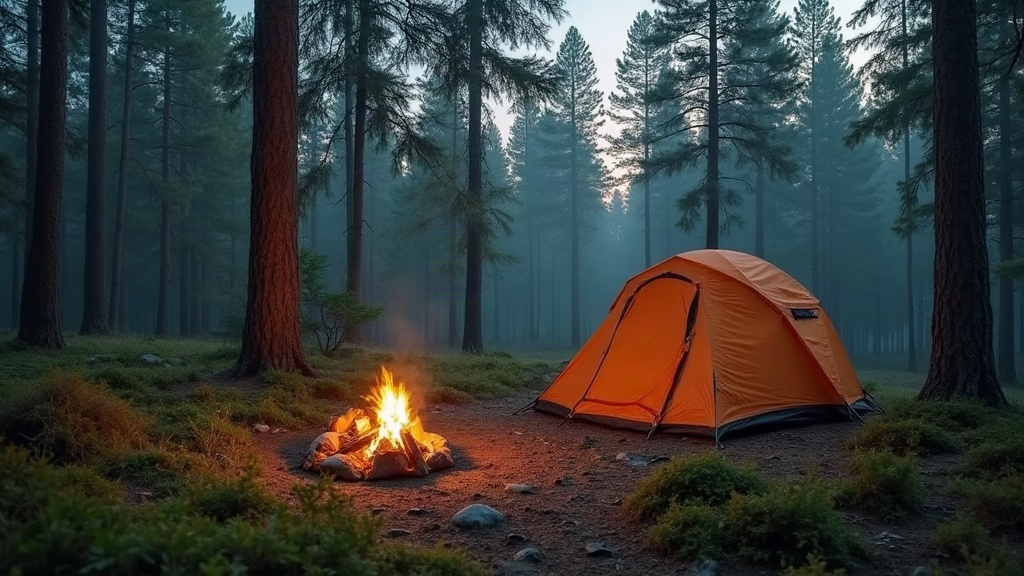
Solo Overnight Bushcraft Camp in a Small Pine Woodland: A Practical Setup Guide
A solo overnight in a small pine woodland isn’t about proving anything. It’s about getting the basics right: legal access, weather protection, and leaving the ground exactly as you found it. With one pair of hands doing all the work, a simple tarp shelter, a dry place to sleep, a solid water plan, and a fire strategy you can actually control will serve you far better than trying to build some elaborate survival-camp setup you saw on YouTube.
Start With Permission, Weather, and a Simple Plan
Before you even lace up your boots, check whether camping and fires are actually allowed where you’re headed. A lot of forests, private woodlands, nature reserves, and fire-risk zones ban camping outright, or they’ll let you camp but not touch the deadwood, or allow neither. Here’s the trap: a small pine woodland can look completely wild and untouched while technically belonging to a private estate or sitting inside a protected zone. Looks lie.
Tell someone you trust exactly where you’re going and when you’ll be back, plus how they should reach emergency services if you don’t check in. Download offline maps before you lose signal, charge your phone fully, and toss a whistle, headlamp, first-aid kit, and power bank in your pack. None of these weigh much, but forgetting one is the kind of mistake that turns a minor hiccup into a real problem.
Before you leave, check the forecast for:
- Rain and overnight temperature
- Wind direction and gust strength
- Fire warnings or local burn bans
- Thunderstorms
- Sunrise and sunset times
If this is your first solo overnight, pick somewhere close enough that you could walk out safely in the dark if things go sideways. The point of a first trip is building confidence, not testing how much discomfort you can survive.
Choose a Safe Campsite in the Pine Woodland
Resist the urge to pitch in the biggest, most obvious clearing you find. Clearings look inviting, but they also collect wind, trap cold air pooling at night, funnel rain runoff, and expose you to anyone else passing through. A better bet is a flat, dry patch tucked just off that open ground, somewhere with natural windbreak and just enough room for your tarp.
Look for a site that is:
- Away from dead, leaning, or damaged trees
- Outside low ground where rainwater can gather
- At least 60 metres from streams, ponds, and water sources where possible
- Clear of animal trails and heavily used footpaths
- Far enough from dry needles and low branches if a fire is legal
- Large enough to move around without trampling vegetation
Pine forests give you that soft, needle-carpeted floor everyone loves, but don’t mistake soft for safe or dry. Underneath a few inches of needles you might find roots, sharp cones, hidden stones, damp soil, or an ant nest you really don’t want to sleep on top of. Kick around a bit and check the ground properly before you unpack anything.
Watch for Widowmakers
Dead branches hanging up high, caught in the canopy rather than lying on the ground, are called widowmakers for a reason. They can drop without any warning, especially in wind or after rain soaks into the wood. Never camp under broken limbs, branches dangling loosely, or any tree that looks visibly rotten or hollow.
Build a Minimal Tarp Shelter
For a single night out, a low A-frame tarp does the job better than anything more complicated. It handles rain well, cuts down some wind, and packs into almost nothing. And if the site rules only allow you to use fallen natural material, leave the saw at home: don’t cut live branches or peel bark off standing trees.
Your basic A-frame kit list looks like this:
- One tarp
- Ridgeline cord
- Four to six stakes or secure tie-out points
- A groundsheet or bivvy bag
- Sleeping mat and sleeping bag suited to the temperature
String your ridgeline between two healthy trees, and if you can, use wide webbing straps or wrap something protective around the bark so you’re not scarring the trunk. Pitch the tarp low on the side facing the wind, a little higher near the entrance, and keep that entrance turned away from the prevailing wind direction.
If rain is likely, drop one end of the tarp lower than the other so water sheds away from where you’re sleeping rather than pooling underneath you. And don’t skip the insulated pad: even on a mild night, bare ground will pull heat straight out of your body while you sleep, no matter how warm the air feels.
Add Pine Boughs Only When Appropriate
You’ve probably seen pine bough beds in half the bushcraft videos online, and yes, they look cozy. But snapping live branches for bedding damages the tree, and in a lot of places, it’s outright illegal. A foam pad or an inflatable mat weighs almost nothing and does the job without the guilt or the fines.
If loose material that’s already fallen naturally can legally be gathered, put it under your groundsheet rather than directly beneath your sleeping bag, use a modest amount, and scatter it back around the site before you leave.
Manage Water, Food, and Waste
Carry enough water to cover the whole night if you can manage it. For a mild overnight, two to three litres is a reasonable starting point, though that number shifts depending on temperature, how far you hiked in, and whether you’re cooking.
If you’re collecting water on site, run it through a reliable filter and follow up with chemical treatment or boiling when it makes sense. Woodland water can look perfectly clear and still carry microorganisms that will ruin your week.
Keep meals simple and mess-free:
- Ready-to-eat meals or sandwiches
- Nuts, dried fruit, and oat bars
- A compact stove, if permitted
- Tea, coffee, or electrolyte tablets
- Food stored securely away from the sleeping area
Everything you pack in, pack back out, including food scraps, tissues, foil wrappers, and anything labeled “biodegradable.” That banana peel might break down eventually, but in the meantime it draws animals and disrupts a small woodland ecosystem that doesn’t need the extra visitors.
For human waste, follow whatever local rules apply. Where it’s allowed and no facilities exist, dig a small cathole well clear of water sources, trails, and your camp, and pack out the toilet paper in a sealed bag rather than burying it.
Fire Safety Matters More in Pine Woods
Pine woodland is genuinely risky ground for open fires. Needles, cones, resin-heavy wood, and low-hanging branches catch fast, and wind can throw sparks a lot farther than you’d expect standing right next to the flames.
Honestly, the safest choice is often skipping the fire entirely. Bring warm layers, a hot drink in a flask, and a sleeping system rated for the night’s temperature, and you won’t miss it. If fires are explicitly permitted, use an existing fire ring if one is there. Don’t dig a new pit just because you feel like it.
Any legal fire should stay:
- Small and attended at all times
- Well away from roots, dry needles, and overhanging branches
- Surrounded by cleared mineral soil
- Supplied with plenty of water for extinguishing
- Fully cold before sleep or departure
Never bury embers and call it done. Douse the fire completely, stir the ashes through, and repeat the whole process until you can hold your hand over the spot without feeling heat.
Make Your Solo Camp More Comfortable
Small habits make a huge difference on a solo overnight. Get your shelter up before it’s dark, sort your gear into waterproof bags so nothing’s a scavenger hunt at 2am, and keep your headlamp within arm’s reach from inside the shelter.
A solid evening routine looks something like this:
- Pitch shelter and test the tie-outs.
- Collect and treat water.
- Eat before darkness deepens.
- Put warm layers on before you feel cold.
- Store food and rubbish securely.
- Check your route out and send a final location update if you have signal.
Pine woodland gets dark fast once the sun drops, and under a thick canopy it can feel like someone flipped a switch. Stay close to camp once night falls, and if you’re worried about finding your way back from even a short walk, tie a small reflective cord tag near your shelter as a marker.
Leave the Woodland Better Than You Found It
Before you head out, go through and remove absolutely everything you brought in. Fluff back up any flattened ground cover, scatter whatever natural material you used, and walk the area from a few different angles to double-check. The goal is simple: whoever shows up after you should have no idea anyone camped there.
A solo overnight in a small pine woodland doesn’t call for elaborate builds or unnecessary risk-taking. Keep it simple, stay legal, stay warm, and tread lightly, and you’ll walk away with real outdoor experience while leaving the place exactly as capable of hosting the next person’s trip.