Red Squirrel-Proof Food Hanging Methods for Woodland Campsites
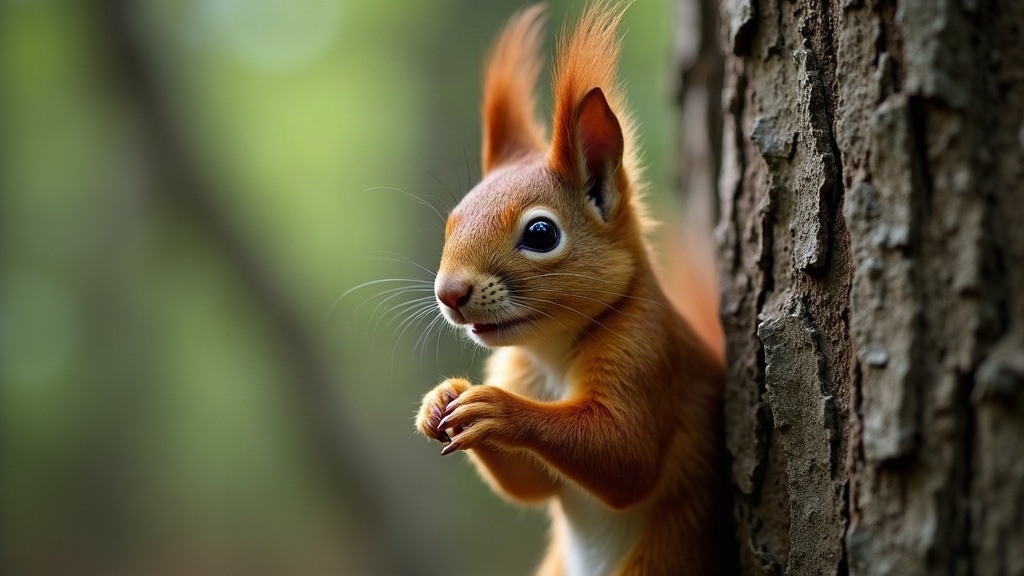
Red squirrels might seem like nothing compared to a bear wandering into camp, but ask anyone who’s woken up to a shredded food bag and they’ll tell you: these little guys are relentless. They’re agile, bold, and weirdly smart about finding whatever you’ve tried to hide. This guide covers practical, field-tested ways to hang and store food so squirrels (and their smaller rodent friends) don’t turn your supplies into confetti overnight.
Why Red Squirrels Are a Real Camp Food Threat
Bears rely on muscle. Squirrels rely on patience and a set of teeth that can gnaw through almost anything given enough time. A single squirrel can:
- Chew straight through thin nylon, mesh, and even some hard plastics
- Climb nearly any vertical surface, smooth tent poles included
- Remember which spot paid off last time and come back for round two (and three, and four)
- Rip into a pack just to get at a wrapper, even when there’s no food left in it
Because they’re small, light, and stubborn, the usual “just hang it high” advice falls apart fast unless you account for how well these animals climb and jump. A squirrel doesn’t need a running start. It just needs an opening.
The PCT-Style Counterbalance Hang (Adapted for Squirrels)
The classic Pacific Crest Trail bear hang still works here, with a couple of adjustments:
- Find a sturdy branch at least 15-18 feet off the ground.
- Use a thin, smooth cord. Paracord is fine, but a smooth-coated line gives squirrels far less to grip than fuzzy rope.
- Hang your food bag so it sits at least 6 feet below the branch and 6 feet out from the trunk. Squirrels jump farther than most people assume, so when in doubt, add more distance rather than less.
- Stay away from spots near overlapping branches or neighboring trees that could act as a launch pad.
Key detail: squirrels can leap 8 to 10 feet horizontally without much effort. That “distance from the trunk” rule matters even more for them than it does for a 300-pound bear.
Use Hard-Sided Containers When Possible
Here’s the problem with soft bags: even a perfect hang won’t stop a determined squirrel from chewing through the rope, or the bag itself, while it sways in the breeze. Hard-sided gear solves that headache outright:
- Bear canisters (BearVault, Garcia, that style) are squirrel-proof almost by accident. The smooth, rigid plastic leaves nothing for tiny claws or teeth to latch onto.
- Ammo cans or metal lockboxes are great for car camping. Bonus: they’re waterproof too.
- Odor-proof bags inside a hard container cut down the scent trail, which is really what draws squirrels in the first place.
Car camping? Just lock your food in the vehicle overnight. It’s the lazy option, sure, but squirrels almost never try to break into a closed car, so it works.
Smooth-Line Hanging to Defeat Climbers
Most rope is basically a tightrope for a squirrel. Here’s how to take that away from them:
- Thread your hanging rope through a short section of PVC pipe or a slick soda bottle before tying off the bag. The spinning, slippery surface gives them nothing to hold onto.
- Switch to metal cable for the last few feet near the food bag. Teeth don’t do much against steel.
- Keep the bag from ever touching a trunk or branch. Even a second of contact is enough for a squirrel to find a foothold.
The Two-Tree Hang for Extra Security
No tall, isolated branch at your site? Rig a line between two trees instead:
- Tie a rope between two trees, both at least 12 feet up.
- Run a separate pulley line to hoist the food bag to the midpoint, as far from both trunks as possible.
- Anchor the loose end low, but out of easy reach. A locked carabiner adds one more layer against tampering.
This setup puts your food equally out of range from either side, so there’s no easy angle of attack.
Common Mistakes That Invite Squirrel Raids
- Leaving food inside the tent overnight. Scent alone is enough to convince a squirrel to chew through fabric.
- Hanging too close to the trunk. This single mistake is behind most failed squirrel-proofing attempts.
- Using thick, fuzzy rope. It’s basically a ladder compared to smooth paracord or cable.
- Ignoring crumbs and wrappers. Pack out every scrap. Squirrels follow smell, not sight, so “I don’t see food” means nothing to them.
Quick Setup Checklist
- Branch or line at least 15+ feet high
- Bag positioned 6+ feet from the trunk, 6+ feet below the branch
- Smooth cord or cable used for the final stretch
- Hard-sided canister used in areas with heavy squirrel traffic
- No food, wrappers, or scented items left in tents or packs overnight
Conclusion
Red squirrels are small, but they’re stubborn enough to turn a lazy hang job into a missing breakfast, or worse, a mess that draws bigger animals into camp. Get the hang distance right, use smooth lines or cable, and go hard-sided when you can. It only takes five extra minutes at setup. Do it right and you’ll wake up to food that’s exactly where you left it, instead of shredded bags scattered across the site.