Cedar Bark vs Basswood Bark for Beginner Natural Cordage
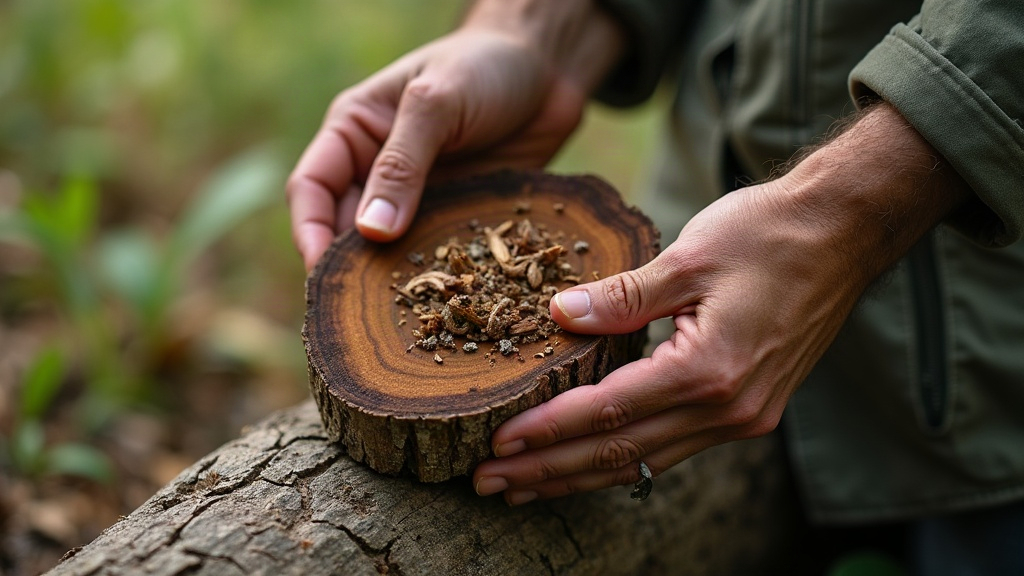
If you’re learning to make natural cordage, the two most beginner-friendly bark fibers are cedar and basswood, and the short answer is: basswood is easier to process and stronger for its weight, while cedar is more widely available and faster to harvest in bulk. Both make excellent practice material before you move on to nettle, yucca, or dogbane. Here’s how they actually stack up once you’re out in the field with a knife and a roll of cord in your back pocket.
Why Bark Fiber First?
Before wrestling with tougher plant fibers, most instructors point beginners toward bark for a few good reasons:
- It’s forgiving. A botched twist here won’t waste your material the way it would with something like dogbane.
- It’s abundant, growing thick in temperate forests across North America and Europe.
- It teaches the reverse-wrap twist clearly, since the fibers are wide enough that you can actually watch what your hands are doing.
Cedar and basswood earned their “starter bark” reputation because both peel apart into usable fiber without needing much more than your hands and maybe a dull knife.
Cedar Bark: Pros and Cons
Harvesting: Western red cedar and eastern white cedar both work fine. Look for standing dead trees or downed limbs, not live ones. Never strip bark in a way that girdles a healthy tree; that’s a quick way to kill it. Peel long strips from the outer bark, then work the fibrous inner bast free from the papery outer layer.
Processing: Cedar bark won’t just fall apart on its own. You have to work it, rolling, twisting, and rubbing it between your palms until it softens and the fibers separate. Budget 10 to 20 minutes per strip. Dry cedar bark turns brittle and cracks, so a quick soak in water brings it back to something pliable.
Strength: Cedar cordage does the job but stays a bit fuzzy and less dense than basswood. It’s solid for lashings, fire bow drills, or a quick shelter tie, but I wouldn’t stake a heavy load on a single strand without doubling it up first.
Availability: This is where cedar wins outright. In cedar-heavy regions (the Pacific Northwest, parts of the Rockies, the white cedar swamps of Appalachia), you can walk away with pounds of usable bark in under an hour.
Basswood Bark: Pros and Cons
Harvesting: Basswood (also called linden or lime tree) bark peels best in late spring to early summer, when the sap is running and the inner bark slides off the wood almost on its own. You can strip it from standing dead trees or fresh windfall.
Processing: This is basswood’s real advantage for beginners. Once peeled, the inner bark splits into thin, ribbon-like layers, almost like sheets of lasagna. Retting (soaking the bark in still water for 1 to 4 weeks, or in running water for a faster turnaround) breaks down the pectin gluing the fibers together. After that, stripping it into fine, pliable strands is almost effortless.
Strength: Once processed, basswood cordage is noticeably stronger and smoother than cedar. It twists into tight, even cord that grips knots well, plenty good for snare lines, fishing line, or even a rough net in a pinch.
Availability: Basswood trees aren’t as evenly spread out as cedar, and you’re stuck waiting for the right season to peel easily. That makes it a poor choice if you need cordage material right now, on demand.
Side-by-Side Comparison
| Factor | Cedar Bark | Basswood Bark |
|---|---|---|
| Ease of harvest | Very easy, any season | Easiest in spring/early summer |
| Processing time | Moderate (rubbing/rolling) | Longer if retting, but yields finer fiber |
| Beginner-friendliness | High, quick results | High, best long-term cord quality |
| Cordage strength | Moderate | Higher |
| Availability | Widespread in cedar regions | Patchy, region-dependent |
| Best use | Shelter lashings, tinder, fire kits | Snares, fishing line, finer craft cordage |
Which Should You Practice With First?
Want fast, tactile feedback on your reverse-wrap technique? Start with cedar. It’s everywhere, and it gives you quick, if slightly rougher, results within minutes of stripping it. But if you’ve got a basswood tree nearby and you’re catching it in the right season, and you actually want cord that could hold real weight, retted basswood is worth the extra patience.
A smart beginner plan looks something like this:
- Practice the reverse-wrap twist on cedar strips first. Cheap mistakes, fast feedback, no big loss if you mess it up.
- Once your twist is consistent and even, move to basswood for a stronger, more refined cord.
- Test them yourself. Hang increasing weight off short test cords of each and see where they actually break.
Common Mistakes to Avoid
- Using bark too fresh or too dry. Green bark straight off the tree is stringy and won’t separate cleanly; bone-dry bark just snaps. You want it slightly damp and pliable, somewhere in between.
- Skipping the retting step with basswood. Unretted bark stays stiff and stubborn, and the fibers refuse to separate the way you want.
- Over-stripping live trees. Always favor dead or downed wood. A forest that’s been stripped bare of live bark won’t have much to offer the next person who comes looking.
Final Thoughts
Both cedar and basswood bark make excellent entry points into natural cordage making, just in different ways. Cedar wins on convenience, easy to find, quick to process, forgiving of mistakes. Basswood wins on final cord quality, giving you something stronger and smoother once you put in the extra effort. For most beginners, the smartest path is simple: learn the twist on cedar first, then graduate to basswood once you’re ready to build cordage you’d actually trust with real weight on the line.