How to Identify Safe Wild Garlic Before Spring Camp Cooking
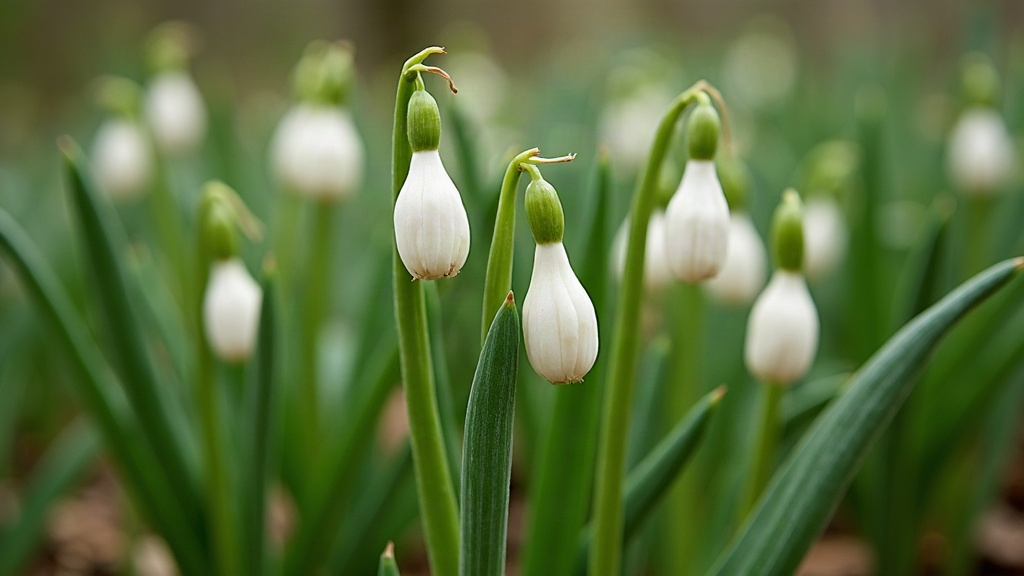
Wild Garlic ID: How to Tell Ramsons From Its Toxic Lookalikes
Wild garlic (Allium ursinum), also known as ramsons or bear’s garlic, is one of the best things you can pull out of a damp spring woodland. It’s also one of the riskiest, because it grows right alongside several plants that can genuinely kill you. Before you drop a handful into your camp skillet, you need a routine you run every time, not just when you remember to. Visual resemblance alone has put people in hospital beds. Here’s the exact process to avoid joining them.
Why Wild Garlic Gets Confused With Toxic Plants
Three plants cause most of the poisoning cases linked to wild garlic misidentification:
- Lily of the valley (Convallaria majalis). Cardiotoxic. It can trigger fatal heart arrhythmias.
- Autumn crocus / meadow saffron (Colchicum autumnale). Contains colchicine, a compound that’s brutally toxic and whose symptoms show up late, which makes treatment harder.
- Lords-and-ladies / cuckoo pint (Arum maculatum). Causes severe burning in the mouth and throat, plus swelling that can block the airway.
All three happily share the same leaf-litter habitat as ramsons, and sometimes a toxic plant pokes up right through a patch of wild garlic. That overlap is exactly why foragers, including seasoned ones who skip the smell test out of habit or overconfidence, end up poisoned every spring across Europe and North America.
The Non-Negotiable Smell Test
This is the one check that matters more than any other: crush a leaf between your fingers and smell it right away.
- Wild garlic smells like garlic or onion, full stop. Sharp, strong, impossible to mistake.
- Lily of the valley, autumn crocus, and lords-and-ladies have zero garlic smell.
Simple rule: no smell, no harvest. And this isn’t a one-and-done check, run it on every leaf you pick, not just the first handful. Patches overlap constantly, and a toxic leaf can be growing two inches from a perfectly safe one.
Visual Identification Checklist
Leaves
- Wild garlic leaves are long, lance-shaped, with a smooth, matte finish (never glossy), and each one grows individually from the base on its own stalk. It doesn’t pair up or clasp a central stem.
- Lily of the valley leaves are a similar shape at first glance, but they emerge in pairs wrapped around each other at the base, have a faint waxy sheen, and grow off a stem rather than standing alone.
- Autumn crocus leaves are thicker and glossier, more strap-like, and come up in a clustered rosette with no real stalk to speak of.
- Lords-and-ladies leaves are arrow- or shield-shaped, nothing like lance-shaped, and often carry dark purple-black blotches that make them stand out once you know to look.
Growth Pattern
- Wild garlic tends to carpet the forest floor in dense colonies, sometimes stretching for meters. That’s a useful visual cue, but on its own it’s not proof of anything.
- Look around for last season’s dead flower stalks or old seed pods. Wild garlic’s white, star-shaped flowers (April to June, when present) form a loose, open umbel. Lily of the valley’s bell-shaped flowers hang instead in a tight, single-sided raceme, a completely different structure.
Stem
- Snap a wild garlic stem and you’ll get that same unmistakable garlic scent. The stem itself is solid and round.
- Snap a toxic lookalike’s stem and you get nothing. No onion, no garlic, nothing.
A Simple Field Protocol
- Find your patch in damp, shaded woodland, often close to a stream or creek bed.
- Pick a single leaf, crush it, and smell it immediately, before you touch anything else.
- No garlic smell? Stop right there. Don’t harvest from that patch, even if the rest of the leaves “look fine” to your eye.
- Check how the leaf attaches: individual stalk is good, paired or clasping a stem is a red flag.
- Look for flowers or old flower stems nearby to help confirm the species.
- Wash your hands before touching food or your face after handling any plant you’re not 100% sure of. Some lookalikes irritate skin on contact.
Camp Cooking Precautions
- Only pick what you’re cooking that day. Wild garlic wilts fast and loses its scent marker within hours, which makes it much harder to double-check later.
- Keep foraged leaves in their own clearly labeled bag, away from everything else in your camp kitchen.
- If anyone in your group starts feeling a burning mouth, nausea, or an irregular heartbeat after eating wild greens, treat it as an emergency right then. Don’t wait around to see if it passes on its own; that wait can cost you.
- Walking kids or guests through this for the first time? Say the smell test out loud before anyone takes a bite, so the whole group actually understands the check, not just you.
When in Doubt, Leave It Out
No plant ID app, no photo comparison, no quick glance replaces doing the smell test and the leaf-attachment check together, in person, every time. If a plant fails either one, it doesn’t go in the pan. There’s no “probably fine” when the alternative is cardiac arrhythmia or colchicine poisoning.
Conclusion
Wild garlic earns its reputation as a great spring camp ingredient, but only when every single leaf clears the smell test and the visual checks on attachment and growth pattern. Make crush-and-sniff a reflex, check for flowering stems whenever they’re around, and never trust your eyes alone. Stick to this routine and you can forage ramsons for your camp kitchen with real confidence, while lily of the valley, autumn crocus, and lords-and-ladies stay exactly where they belong: off your plate.