Folding Pad Saw: Cutting PVC Pipe for Backcountry Repairs
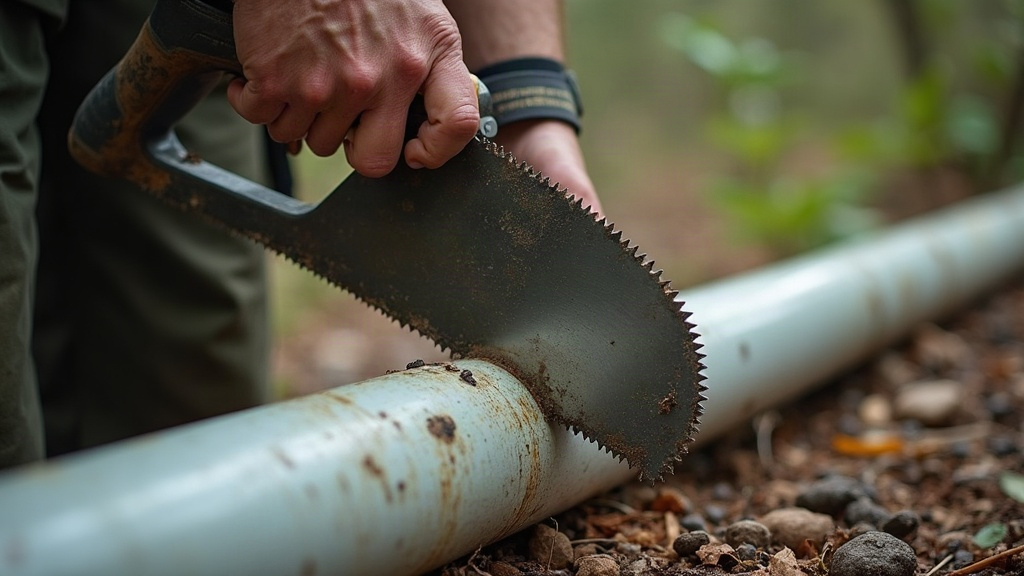
When a tent pole snaps or a gear frame cracks miles from the trailhead
A folding pad saw can turn a ruined trip into a quick fix. This compact tool cuts PVC pipe cleanly out in the field, letting you fabricate splints, replacement poles, and structural patches without hauling bulky equipment. Here’s exactly how to use one for backcountry gear repairs.
Why a Folding Pad Saw Belongs in Your Repair Kit
A folding pad saw (some people call it a keyhole saw, others a jab saw) is small, light, and folds down to a few inches. It slips into a repair pouch right alongside your duct tape and cordage without a second thought. Unlike the stubby blade on a multitool, its narrow, toothed edge is actually built for sawing through rigid stuff like PVC, fiberglass, and wood, and it won’t bind halfway through the cut the way a knife blade will.
Why PVC specifically matters:
- PVC pipe sections are a go-to DIY fix for broken tent poles, pack frames, and trekking pole splints.
- Plenty of ultralight backpackers pre-cut short PVC sleeves at home and carry them for exactly this reason.
- PVC is rigid enough to restore structural integrity but light enough that it won’t add meaningful pack weight. A 4-inch sleeve weighs next to nothing.
Step-by-Step: Cutting PVC with a Folding Pad Saw
- Unfold and lock the blade. Most pad saws use a simple pivot lock. Make sure it clicks firmly into the open position before you apply any pressure, otherwise the blade can fold back on you mid-stroke.
- Mark your cut line. A permanent marker works best, but even a scratch from a knife tip will give you a line to follow when you’re out of options.
- Stabilize the pipe. Brace it against a rock, a log, or even your boot. Got a multitool with pliers? Clamp the pipe down so it doesn’t roll while you saw.
- Start the cut at an angle. Begin with short, light strokes at roughly 30 degrees to the pipe. This carves a shallow groove. Once it’s established, level the saw out and cut straight through.
- Use full-length strokes. Short, choppy strokes dull the teeth fast and leave ragged edges behind. Long, even strokes cut quicker and cleaner through PVC, every time.
- Deburr the edge. Run the saw’s edge, or a knife blade, lightly around the cut to knock off sharp burrs. Those little plastic slivers will tear straight into tent fabric or pack material if you leave them.
Common Backcountry Repairs Using Cut PVC
- Snapped tent pole splint: Cut a 4 to 6 inch section of PVC slightly larger in diameter than your pole. Slit it lengthwise if you need to slide it on, then tape it firmly over the break.
- Trekking pole reinforcement: A short PVC sleeve plus some tape can stabilize a bent or cracked pole section, enough to get you through the rest of the hike.
- Pack frame stays: If an external frame stay cracks on day three of a five-day trip, a cut PVC piece lashed alongside it with paracord can carry you the rest of the way out.
- Water filter housing fixes: Some backcountry filters use rigid plastic housings that crack under cold or pressure. A PVC coupler cut to size can bridge the break temporarily, long enough to keep filtering water until you’re home.
Choosing the Right Folding Pad Saw for Your Pack
Not all folding saws handle PVC the same way. Here’s what to look for:
- Blade length: 4 to 6 inches covers most pipe diameters (1/2 inch to 1 inch PVC) used in gear repairs. Anything longer is dead weight for this job.
- Tooth count: A finer tooth count, 14 to 18 TPI, gives a cleaner cut on PVC than the coarse teeth made for wood.
- Locking mechanism: A solid lock keeps the blade from folding back onto your fingers mid-cut. That matters a lot when you’re working one-handed, bracing the pipe with your other hand or your knee.
- Weight: Aim for under 3 ounces. Plenty of quality folding pad saws actually land closer to 1.5 to 2 ounces, so there’s no excuse to skip one.
Safety Tips When Sawing in the Field
- Always cut away from your body, and stabilize the material before you start sawing. Don’t try to hold the pipe and cut toward your palm.
- Wear gloves if you’ve got them. PVC dust and the sharp edges left behind can irritate skin more than you’d expect.
- Clean and dry the blade before folding it back up. Carbon steel blades will rust fast if you fold away a wet, gritty saw.
- On a longer trip, toss in a small whetstone or diamond file. PVC dulls blades faster than most people assume, even after just a few cuts.
Final Thoughts
A folding pad saw is one of the most underrated tools you can carry for backcountry gear repair. Its ability to cut PVC pipe cleanly and quickly means you can fabricate splints and reinforcements right on the spot, turning what could be a trip-ending break into nothing more than a short delay. Pack a short pre-cut length of PVC, a dependable folding pad saw, and some strong tape. Do that, and you’ll be ready for the kind of gear failures that no amount of planning can completely rule out.