Stop a Canister Stove Regulator from Freezing in Sub-Zero Camping
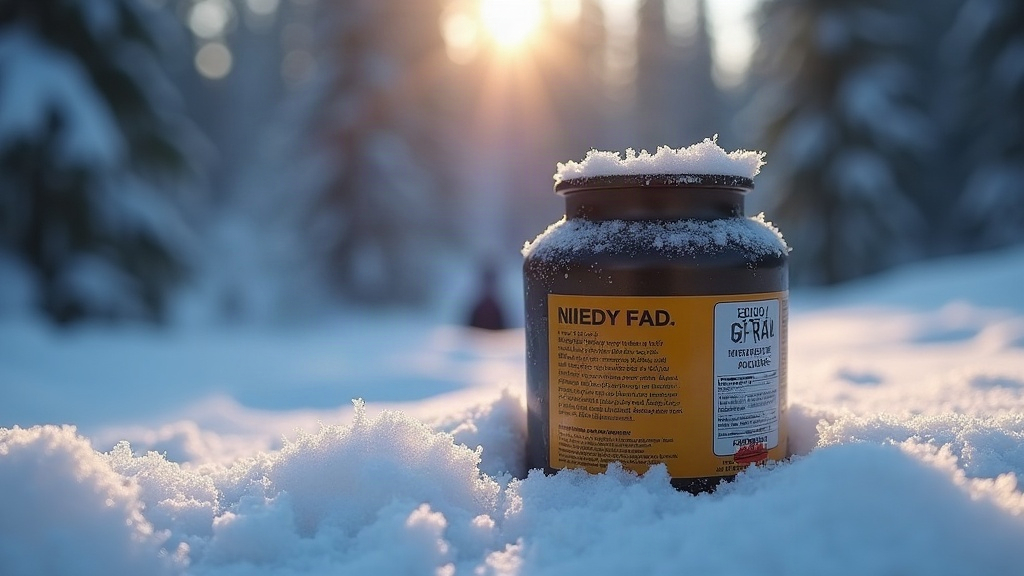
If your canister stove sputters and dies the moment the temperature drops below freezing, you’re not alone, and you’re not doing anything wrong either. Canister stove regulators seize up in sub-zero conditions because the pressurized gas inside expands rapidly, pulling heat out of the canister and regulator until fuel can’t vaporize anymore. The good news is that a handful of field-tested tricks (warming the canister, picking the right fuel blend, keeping moisture off the valve) will keep your stove firing even when it’s brutally cold out.
Why Canister Stoves Freeze in the First Place
Canister stoves run on liquefied gas, usually a blend of propane, isobutane and butane, that turns to vapor as pressure drops when you crack the valve open. That vaporization process pulls heat straight out of the canister and regulator. In mild weather, the surrounding air replaces the lost heat fast enough that you never notice. Below freezing though, there’s no spare heat lying around, so the canister just keeps losing warmth until the fuel simply refuses to vaporize. Backpackers call this “cold soak” failure, and it can shut a stove down mid-boil.
Frost or condensation on the regulator makes things worse, freezing solid and jamming the valve mechanism. This shows up constantly when you’re melting snow for drinking water, since the steam and moisture drift right onto the cold metal and refreeze almost instantly.
Practical Fixes That Actually Work
1. Keep the Canister Warm Before and During Use
- Sleep with it. Toss your fuel canister into your sleeping bag overnight so it’s already warm when you crawl out at 6 a.m.
- Body heat trick. Slide the canister inside your jacket for 10 to 15 minutes before you start cooking.
- Insulated cozy. A neoprene canister sleeve, or honestly just an old wool sock, slows heat loss while you’re cooking.
2. Use the Water Bath Method
Set the canister in a shallow container of lukewarm water (not hot, just a couple degrees above freezing) while it’s running. The water acts like a heat battery, feeding warmth back into the canister as pressure drops during the boil. Of all the field fixes out there, this one probably buys you the most cooking time.
3. Choose a Cold-Weather Fuel Blend
Not every canister fuel behaves the same way in the cold:
- Standard butane quits vaporizing around 31°F (-0.5°C), basically dead weight in winter.
- Isobutane holds up down to roughly 11°F (-12°C).
- Propane-isobutane blends (MSR IsoPro, Jetboil Jetpower, that sort of thing) can keep working down to -20°F (-29°C), provided you’re also using warming tricks alongside it.
Check the label for a propane content around 20 to 30 percent. That percentage alone makes a huge difference in cold-weather performance.
4. Invert the Canister (With the Right Stove)
A few stoves, the MSR WindPro II and Kovea Spider among them, let you run the canister upside down, feeding liquid fuel instead of vapor into the burner. This sidesteps the whole vaporization freeze problem, because the stove’s preheat tube vaporizes fuel using heat from the burner itself rather than relying on ambient warmth. If your stove is built for this, it’s honestly the single best fix for serious winter use.
5. Shield the Stove from Wind
Wind chill speeds up canister cooling more than most people expect. A basic windscreen (set up carefully, and never wrapped fully around the canister, since that risks overpressure) holds onto heat and cuts your fuel burn noticeably.
6. Keep Moisture Away From the Regulator
- Dry your hands and gloves before touching the stove. Wet fingers leave moisture that freezes on contact with cold metal.
- Keep the regulator connector tucked in a dry pocket between uses, not sitting out in snow or condensation.
- Wipe down the threads after cooking, before you pack up, so ice doesn’t build up overnight and crack a seal.
What to Do If It Still Freezes Mid-Cook
Flame sputtering or dying on you? Here’s the drill:
- Pull the canister and warm it in your hands or under your arm for a few minutes.
- Swap in a backup canister you’ve kept warm in your pack.
- Switch straight to the water bath method for whatever cooking you’ve got left.
Carrying two smaller canisters instead of one big one helps too. You can rotate one in your jacket while the other’s running, so you’re always cooking with fuel that’s already warmed up.
Consider a Liquid Fuel Stove for Extreme Cold
If you’re regularly out camping below 0°F (-18°C), a liquid fuel stove, something like the MSR WhisperLite or XGK, might just be the smarter tool for the job. These run on white gas, which doesn’t hit the same vapor pressure wall that canister fuel does, and they come with a manual pump that keeps pressure up no matter how cold it gets.
Conclusion
Canister stove freeze-ups on sub-zero trips aren’t some unavoidable flaw, they’re a predictable problem with reliable fixes. Keep the fuel warm before and during cooking, go with a propane-isobutane blend, block the wind, and stay on top of moisture. For the roughest winter trips, an inverted-canister stove or a dedicated liquid fuel setup will spare you from cold-related failures altogether. Get the prep right, and you’ll have hot food and warm drinks no matter how far that mercury drops.